04/27/2026
Exhibition
Upcoming at CAM
Madeleine Bunbury:
Portraits of Horses
IN THE GALLERY
May 7 – June 11, 2026
Her work will be on view at the gallery’s 243 N. 5th Street, Columbus, OH, location from May 7 through June 11, 2026, with an opening reception on Thursday, May 7, from 5–7 PM.
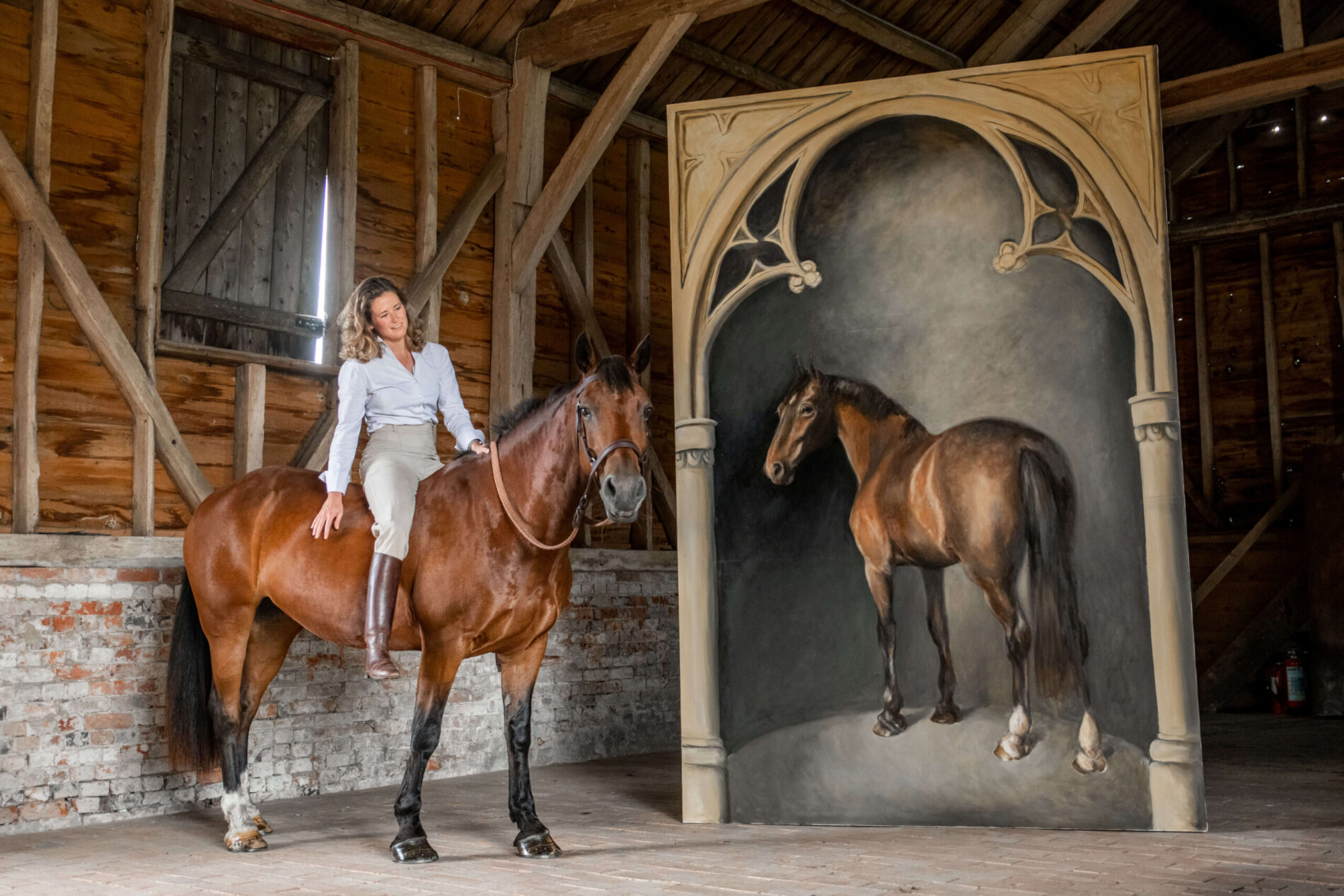
Madeleine Bunbury, Saint Margarette, Oil on canvas 118⅛ x 78¾ in., 118⅛ x 78¾ in. (framed)
Madeleine Bunbury’s paintings are rooted in the longstanding tradition of equine art, encompassing centuries of practice from George Stubbs to Edgar Degas. Her work adds a significant contemporary contribution to this important history. She cites Stubbs, the distinguished eighteenth-century artist celebrated for his monumental life-size portraits of horses, as her greatest inspiration. Guided by this legacy, Bunbury undertook classical training at the prestigious Charles Cecil Studios in Florence, Italy, where she spent three years mastering the sight-size method and painting from life under natural light. Reflecting on her practice, Bunbury shares, “I concentrate on painting horses life-size in a traditional style, from life, using my own hand-ground paints and hand-stretched canvases. I feel this style helps me to achieve an expressive representation that is unparalleled by modern photorealistic paintings.”
Exhibition
Still Life
IN THE VIEWING ROOM
May 2026
The exhibition will be on view in May at the gallery’s 243 N. 5th Street location in Columbus, Ohio.
Artist Name, artwork name, year, materials, size OR image description
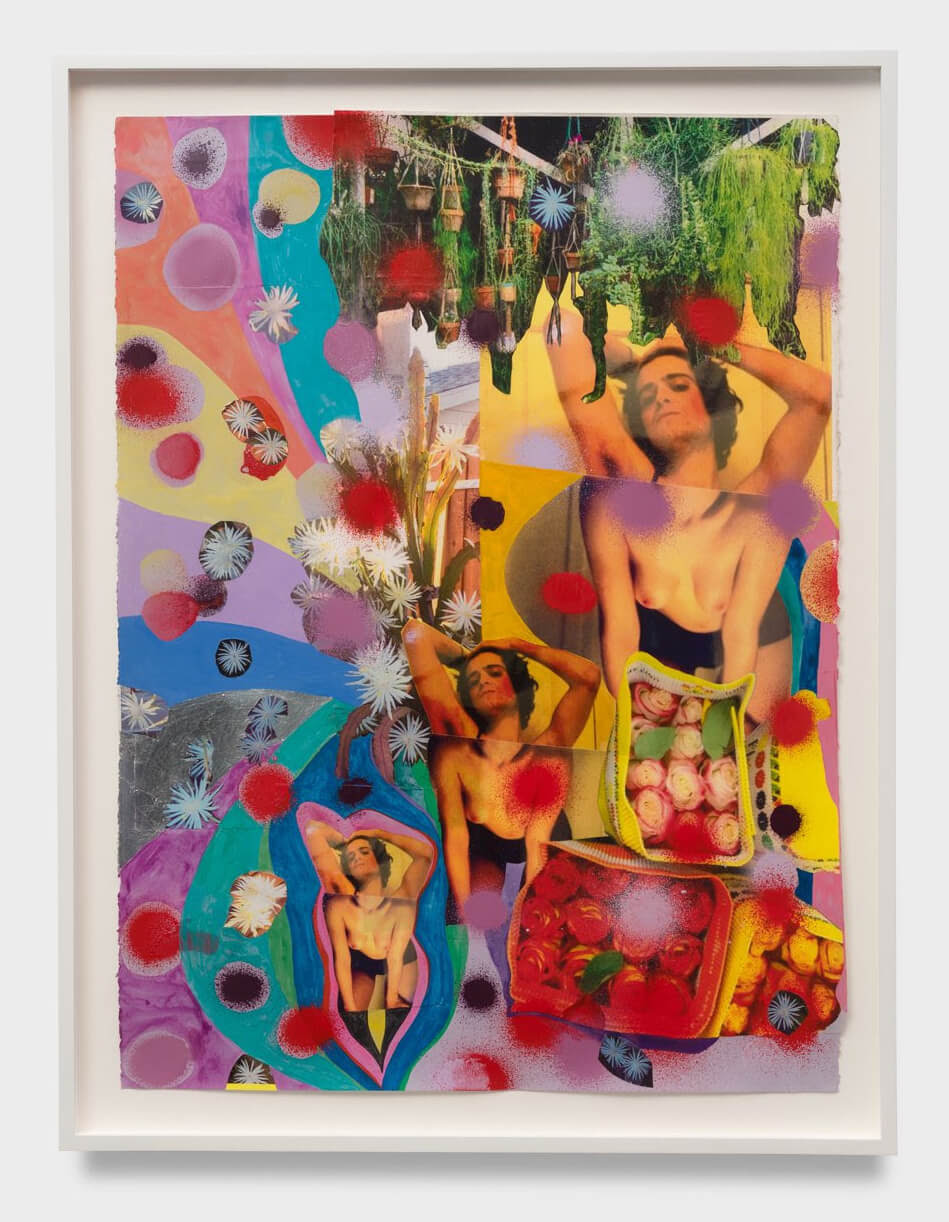
Tulips, sunflowers, foxgloves—and kimchi? While we are accustomed to admiring bouquets of flowers, what about the beauty of a prepared dish or the main course of a celebratory dinner? In Kira Nam Greene’s food-centric still lifes, her realistically rendered cuisine inhabits an environment of decorative patterns and multicultural motifs. Working in colored pencil, gouache, and watercolor, her works on paper blend observational detail with abstract elements, moving between real and imagined spaces. Similarly, artist Liz Trapp incorporates fabric pattern and design into her mixed-media work. In Tea and Oranges she creates a whimsical realm loosened from realism, where vibrant splashes of color and applied textile swatches form vases of garden flowers on a tabletop strewn with bright citrus fruits.
The still life has a long history of celebrating abundance, yet in the paintings of Carlos Gamez de Francisco the bouquet becomes more than ornament. These lovely blooms serve as habitats and resting places for the creatures that share our world, with butterflies, birds, and chameleons adding their colorful presence.This symbolic reminder of nature’s role can also be found in Linda Gall’s Dead Flower Paintings. Her work recalls the Vanitas still life paintings of the seventeenth century, which emphasized the transience of life through the depiction of ephemeral objects. Gall’s paintings dwell on the beauty of wilting petals, drooping stems, and faded colors, prompting viewers to reconsider our understanding of beauty.
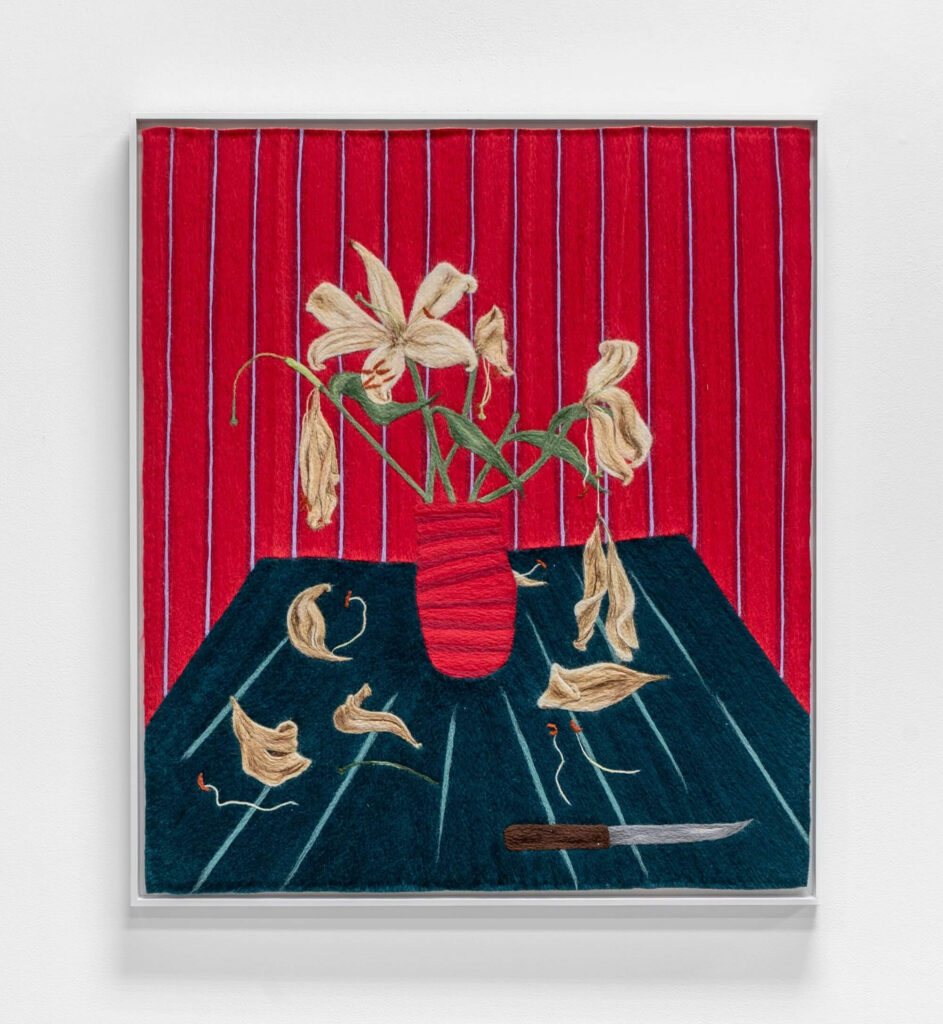
Cheryl Pope’s textile work, Room with a Knife, also portrays blooms as they decline and drop from their container. With the central composition and rich red background of the felt, inspiration from Manet and Matisse comes through. Billy Sullivan’s drawing Teddy Bear Sunflowers immortalizes the splendor of flowers at peak bloom, and situates them within an ordinary living room or studio, bringing the sublime into everyday life.
In Cooper Cox’s painting April, while a similar subject is represented, it is the distinct paint handling that commands attention. Bold textures and creamy hues of peach and rose celebrate the materiality of paint over the subject itself. In Daina Higgins’ drawing Study for Kucios Table, the perspective broadens to include figures gathered around the still life objects that set the stage for a celebratory dinner. Echoing early Renaissance painting, the still life remains central while becoming part of a larger narrative composition.
Throughout history, across movements such as Impressionism and Cubism, artists have continually reimagined the still life. The artists in Still Life present contemporary works carrying this tradition forward, offering fresh interpretations of an enduring genre.